Cool Runnings
Phil Reynolds works in the Product Department at PACCAR Parts. Here he delves into the cooling systems on trucks, including the basic operation, the technology, materials and maintenance of the cooling system.
My first car was an Australian Made 1978 Leyland Mini. What a stressful time that was in summer. The temperature gauge was probably the most viewed spot on the whole dashboard. If you aren’t familiar with old school Mini’s the radiator sits on the side of the engine as a space-saving measure – not an issue in chilly England where the Mini was first designed and built, but not great for Australia and our globally recognised extreme conditions.
So when I started at Kenworth 15 odd years ago one comment sits with me to this day, and that was from our Chief Engineer at the time. ‘Kenworth Australia engineers our trucks around the cooling package.’ I straight away thought what a great stress reliever for Kenworth drivers.
To better appreciate, and understand the cooling systems on trucks I visited Air Radiators near Geelong where, after over 40 years of manufacturing Kenworth’s first fit radiators, the staff there have acquired far superior knowledge of the cooling requirements of trucks than what I am familiar with.
Firstly the basic principles of cooling on trucks: We straight-away think of the Radiator, however, charge air coolers, fuels coolers, oil coolers, condensers are also there to handle heat rejection and maintaining the systems they are integrated with. Ultimately, what the cooling system is doing is capturing heat generated from the vehicle, taking that heat out and allowing it to operate at the desired parameters of what it is intended for.

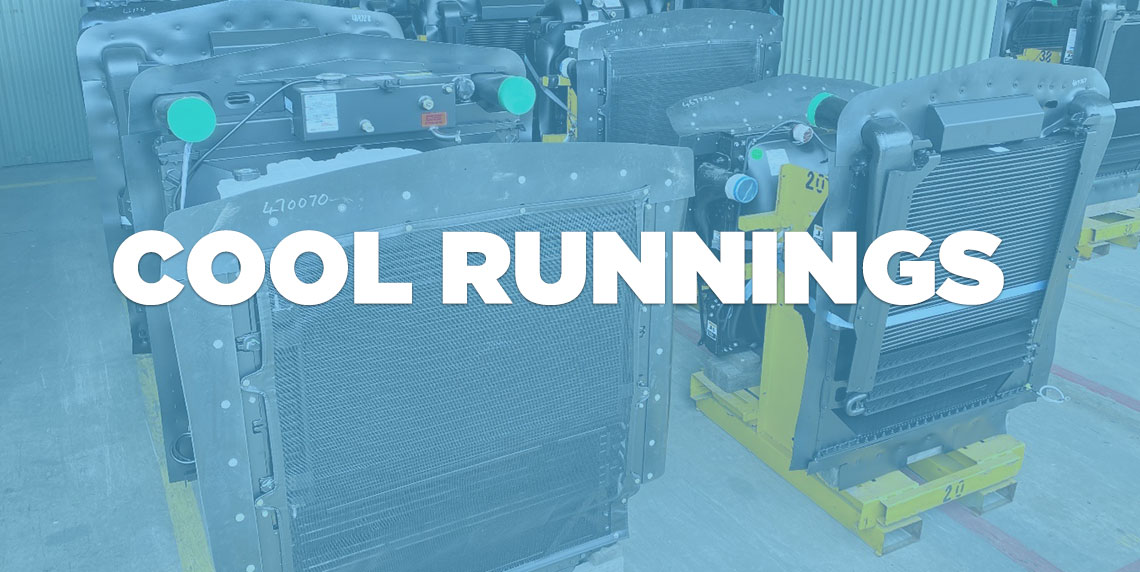
Image: The cooling ‘package’ can incorporate things like air conditioning condensers, oil coolers, fuel coolers, charge air coolers, and of course the radiator. Source Air Radiators. Image P Reynolds
Let’s focus on the radiator and what forms the basis for those parameters required for cooling. Engine manufacturers like Cummins and PACCAR look at the components that make up an engine like cast iron and aluminium, work out the different rates of expansion on those components and they set the specifications around optimal working temperature. Engine manufacturers take care of bringing the engine up to temperature through thermostats (that act like a valve regulating coolant flow around an engine). They also specify the volume of movement of coolant around the system with a water pump, but it is the job of the radiator that maintains the top end boundaries of the specified working temperatures.
To give some perspective around the work required to satisfy those specifications set down by engine manufacturers, consideration is given to many things. Just to look at a truck radiator you can see it is typically the last point in a chain of other products that all block, exchange or limit airflow. Things like bullbars, driving lights, bug screens are all commonplace on many trucks and they all impact airflow to the radiator. Consideration is given to this and testing is done and simulated to make allowances for these additions. Then there is the truck grill, air conditioning condenser, fuel and oil coolers and the charge air cooler all exchanging their heat with the air before it arrives at the radiator. Naturally, the engine fan is critical when additional airflow is required, yet the greater the efficiency of the cooling package, the less time the fan needs to run and this saves on power and fuel.
The materials used are critical to efficiency and longevity. Copper has stood the test of time for strength, thermal properties and has the added benefit of ease of repair over aluminium. There still remains time and investment in engineering the copper-brass radiator. Many Australian applications mean the choice for the customer remains with the quality, reliability, serviceability of the copper-brass radiator. Aluminium also has great thermal properties, is lightweight and from a cost perspective has the advantage over copper. Beyond the main materials, the choice of things like gaskets is also crucial, along with replacing the top and bottom tank nuts and bolts that can stretch over time. Using genuine components when doing any work to your cooling system ensures your truck is performing as it did when it left the factory.
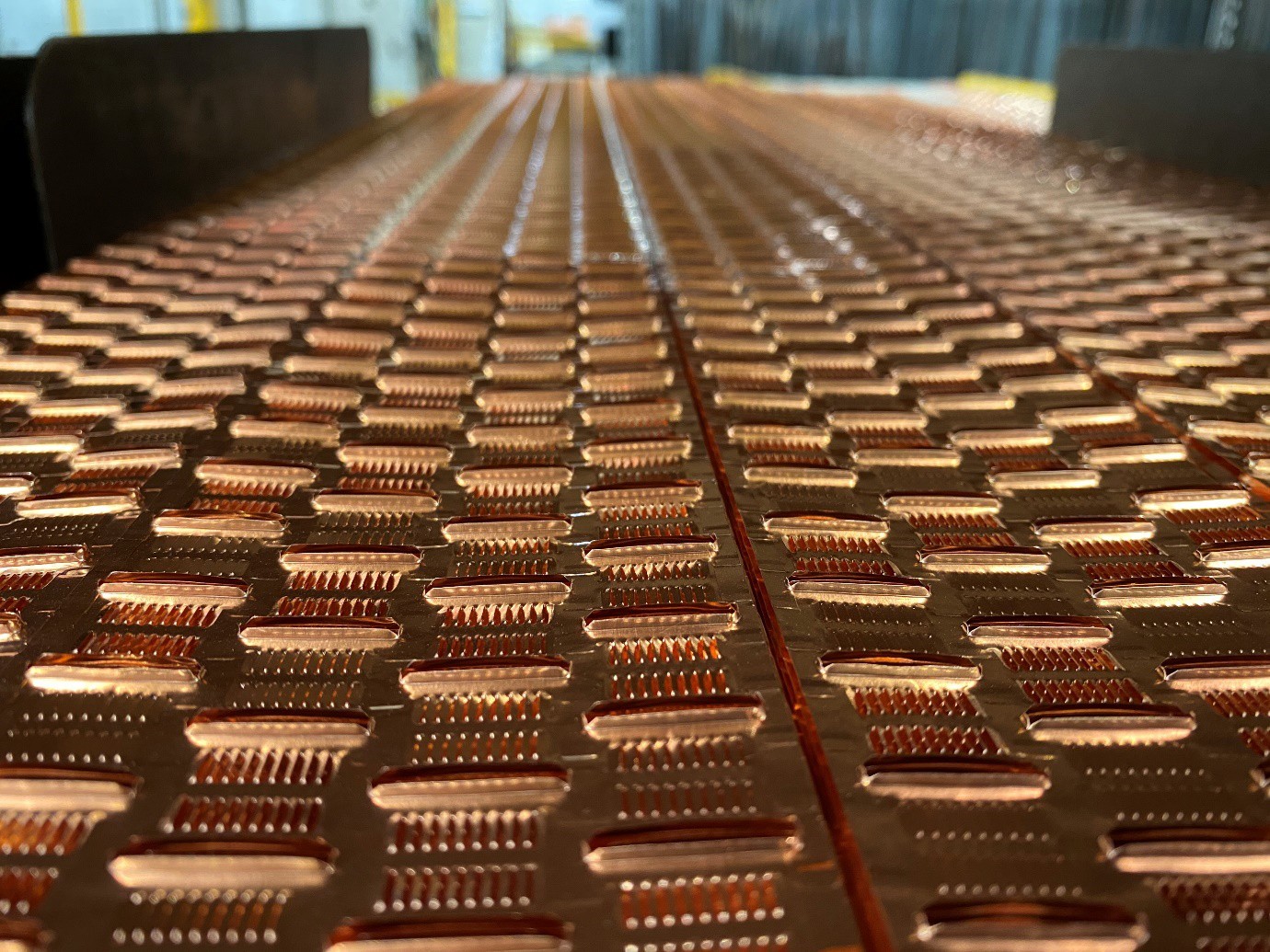
Image: Copper’s thermal efficiency is well regarded. The heat in the coolant coming from the engine is absorbed in the copper. Specific ridges pressed into the copper assist in air turbulence and contact to exchange heat with the flowing air. Source Air Radiators. Image P Reynolds
Being a stationary part, the cooling package receives little service. High expectations on life mean quality components and construction is a must. Critical things to be aware of include using the correct coolant and not mixing it with other brands. Many components can be affected if the wrong coolant is used and adverse reactions can happen if different coolants are mixed. Hoses and clamps should be checked regularly and bug screens are cleaned from excess build up. Earth straps from the radiator are also important to check and ensure they are intact and connected to the chassis.
Earth straps handle any stray current that can create a damaging chemical effect / electrolysis on components of a cooling system. Another part prone to wear, and often forgotten about are the various rubber flaps that seal against hoods and engine tunnels to ensure cold air is directed appropriately and also to stop hot expelled air from being recirculated through the cooling package. Visual checks of your radiator will also help identify any potential issues. Things like coolant residue appearing, or your fan ‘on time’ increasing might be symptoms of a cooling system in need of an overhaul. When you think about the testing, engineering and consideration given to all components in a cooling system, it really does bring peace of mind to keep those components original when repairs are needed.
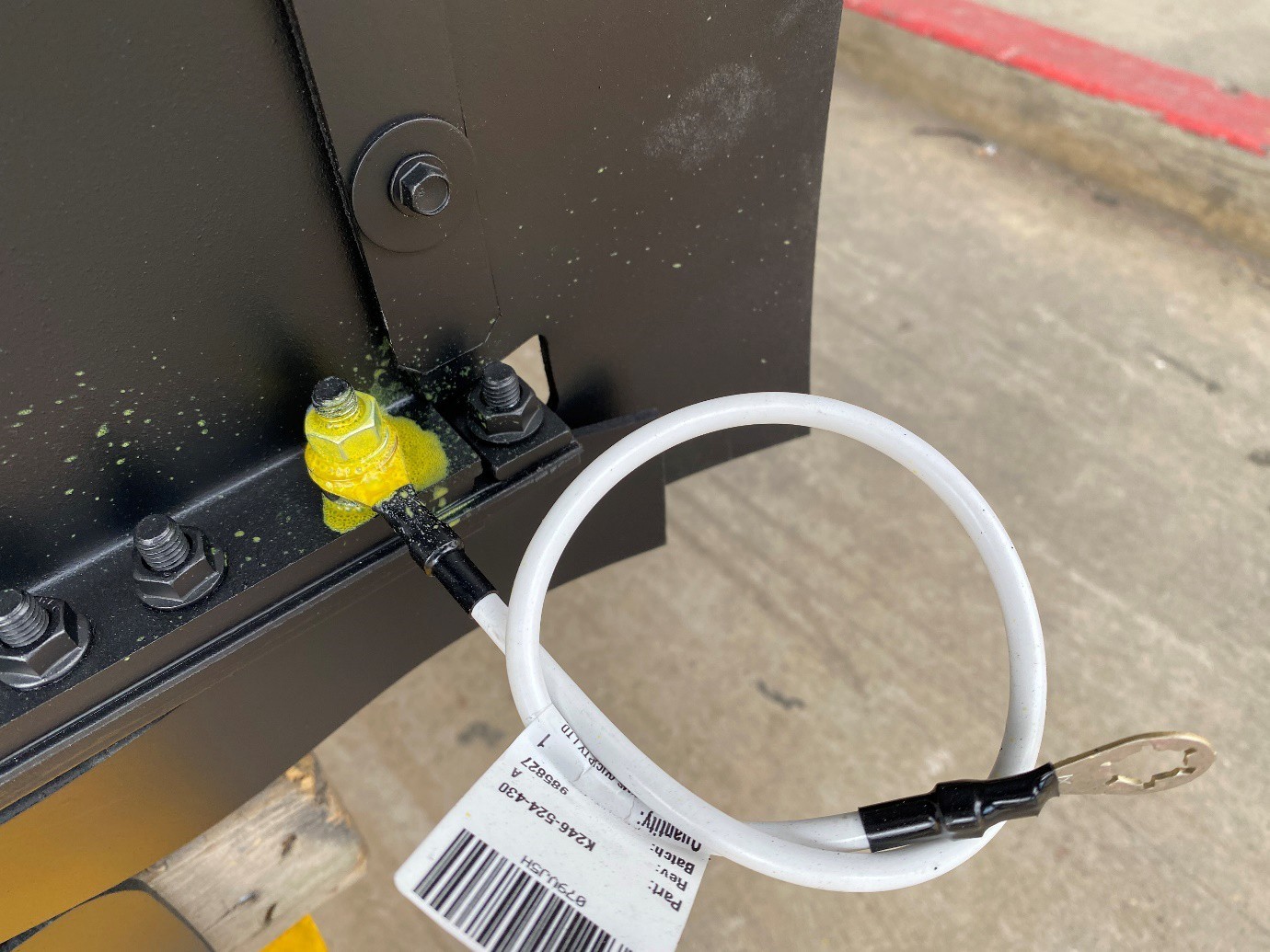
Image: A humble earth strap is a critical part in removing stray current that can travel through coolant and cause electrolysis, which may damage critical components. Source Air Radiators. Image P Reynolds
Special thanks to Air Radiators Sales Manager Phil Nichol, Key Account Manager Roger Johnston and Applications and Projects Manager Brooke Killeen who imparted their knowledge to assist with this article.